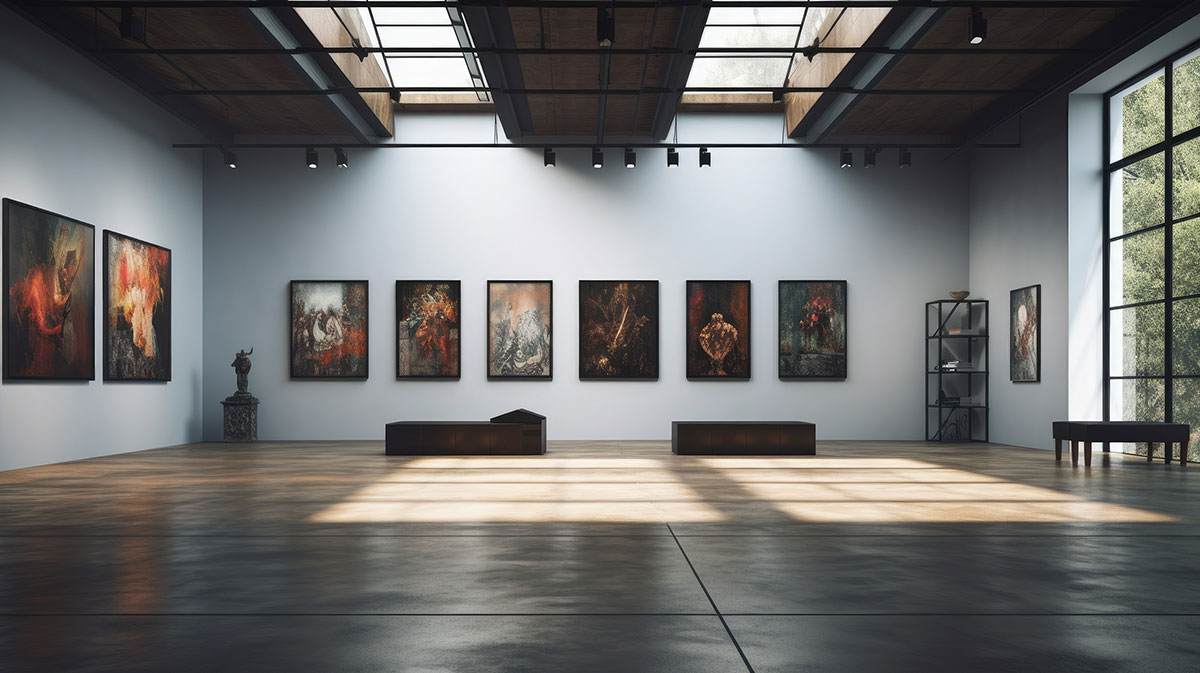
Museums have always been places that protect objects from the past. Paintings, tools, letters, photographs, and clothing are preserved so that future generations can understand how people once lived. For most of museum history that work meant carefully storing physical objects and making sure they survived time.
Today another layer has been added to that responsibility. Digital preservation is changing the way museums manage collections and share history. As a museum curator in New York I spend time thinking about how digital technology can help protect artifacts while also making them more accessible.
The question many museums now face is simple but complicated at the same time. How do we balance the value of the physical object with the possibilities that digital tools provide?
What Digital Preservation Actually Means
When people hear the phrase digital preservation they often imagine taking a photograph of an artifact and uploading it to a website. The process is actually much more detailed than that.
Digitizing a collection can involve high resolution photography, scanning documents, recording three dimensional models, and creating detailed metadata that explains the object’s history. The goal is to build a digital record that captures as much information as possible about the artifact.
This work allows museums to share their collections with people who might never visit the building in person. A researcher in another country can examine a historical document online. A student can zoom into the brushstrokes of a painting using a digital image that is far more detailed than what the eye might see in the gallery.
For many institutions digital access opens doors that did not exist before.
Why Physical Objects Still Matter
Even with these technological advances physical artifacts remain the heart of museum collections. An object carries a presence that cannot be fully captured through a screen.
Standing in front of a historical object allows people to sense its scale, texture, and material weight. A digital image can show the appearance of a wooden chair from the nineteenth century, but it cannot fully convey the worn edges where hands once touched it.
Physical artifacts also carry subtle clues about their history. Small repairs, scratches, and discoloration can reveal how people used an object over time. These details are sometimes difficult to capture digitally.
For curators this is why preservation of the original object remains essential. Digitization can expand access but it cannot replace the artifact itself.
Opening the Doors to a Wider Audience
One of the most exciting aspects of digitization is the way it allows museums to reach a much larger audience. Many collections contain thousands of objects that cannot all be displayed at the same time.
Museum storage rooms often hold the majority of the collection. Visitors may see only a small percentage of what the institution owns.
Digital archives help bring those hidden items into public view. A person interested in maritime history might discover shipping logs or harbor photographs that have not been displayed in decades. A student researching regional art could explore paintings that remain in storage.
This wider access encourages new research and new conversations. People who live far from major museums can still connect with the collections.
The Work Behind the Screen
Digitizing collections requires significant effort and planning. Every object must be carefully handled, photographed, and documented. The digital files must then be organized in databases that allow people to search and understand what they are seeing.
This process takes time and resources. Museums must invest in equipment, staff training, and long term digital storage systems. Digital files also require maintenance because technology changes quickly.
A file format that works today might become outdated in twenty years. Museums must constantly monitor their digital archives and migrate information to new systems when needed.
This ongoing work is one of the biggest challenges of digital preservation. Protecting data requires the same level of care that museums have always given to physical objects.
New Possibilities for Research
Despite the challenges digital archives are opening exciting possibilities for researchers and curators. Digital collections allow people to compare objects from different museums without traveling long distances.
A curator in New York might examine maritime artifacts from institutions along the Connecticut shoreline while also studying related objects in museums across New England. Digital platforms allow these comparisons to happen quickly.
Advanced imaging technology can also reveal details that are not easily visible to the naked eye. High resolution scans may show faint writing on a document or hidden layers beneath a painting.
These tools help researchers ask new questions about historical artifacts.
Connecting Physical and Digital Worlds
The future of museum collections will likely combine both approaches. Physical artifacts will remain central because they are the original sources of history. Digital tools will continue to expand access and support research.
Many museums now design exhibitions that use both elements together. Visitors might see the physical object in the gallery while also exploring digital materials on nearby screens. Interactive displays can show maps, letters, or photographs connected to the artifact.
This approach allows museums to tell deeper stories. The object remains the anchor while digital content adds layers of context and interpretation.
A Shared Responsibility for the Future
Working with museum collections always involves thinking about the long term. Curators do not only preserve objects for the present moment. We are protecting them for people who will live decades or centuries from now.
Digital preservation has become part of that responsibility. By creating strong digital archives museums can protect knowledge about their collections even if the physical objects must remain safely stored.
At the same time the physical artifact continues to hold a special role. It carries the tangible connection to the past that makes museums powerful places of learning.
Balancing these two worlds is one of the most important tasks facing museums today. When done carefully digital preservation can strengthen the work that museums have always done. It helps ensure that the stories held within museum collections remain accessible, meaningful, and alive for future generations.